

I did not have the good fortune of growing up in a home where we openly talked about personal finances, but two things in life helped me.
First, I did not want to feel the financial pressure I saw growing up, so I forced myself to start learning.
Second, part of my career required me to help manage roughly $14 million in annual sales. Over time, that caused me to view my personal finances in a similar way.
Well, without the multi-million-dollar budget.
Seriously. Let’s start here.
More people are struggling than you think.
If you look around, especially on social media, everything seems fine. Everyone seems fine. Most people appear to be doing better than you.
I find that hard to believe because it is probably not true, and deep down I think most of us know it.
The modern world is designed to make spending feel effortless:
Meanwhile:
You are not the first person to feel overwhelmed financially.
Spending only feels effortless at the moment you swipe the card.
Earning the money usually is not.
Most dollars represent:
Eventually, the money leaves your hand either way. What we control is where it goes and whether it helps or hurts our future.
Financial freedom does not have to mean:
Sometimes financial freedom is simply:
“I can comfortably choose to buy or not buy something without stress.”
That is a worthwhile goal.
This part matters.
No guesses. Not mental math. Real numbers.
Gather:
Write everything down somewhere:
Track:
This is your current financial picture.
And honestly?
Knowing the truth is usually less stressful than avoiding it.
Breathe again.
Now you know where you stand.
Do not fix the last five years this weekend.
Start from today.
A simple zero-based budget works because it gives every dollar a job.
Not because it is revolutionary. Not because it is trendy.
Just math.
A few important things:
That does not mean the system failed.
It means life happened.
Adjust and keep moving.
There was a saying:
“You are only as good as your last P&L.”
That rang true until I remembered bonuses were attached to the quarter ;-).
I had months where I missed projections, but over the quarter and year I would often exceed them.
Awareness changes behavior.
You do not need a perfect system. You need a consistent one.
Some people prefer:
Use what you will stick with.
For spreadsheet lovers:
One of the biggest financial mistakes is only thinking about the current week.
Future expenses are real even when they are not due today:
If you know something is eventually coming, start preparing for it now, even slowly.
If your car insurance renews every six months and you know it is coming, setting aside even $25 or $50 a paycheck reduces the shock later.
Consistently saving small amounts reduces panic later.
The last step is more of a reminder. Knowing where you are and the plan for the month will reduce the pressure you feel when dealing with your finances. But make it something you do frequently. I have some general tips to make this process easier, but the key word is process. Even though these tips are suggestions, one probably isn’t.
Schedule the time on your calendar. For me, in under 30 minutes on Monday, Wednesday, and Friday, I can keep the ship on course.
You do not need to become a financial expert overnight. Honestly, “expert” is probably too strong a word anyway. Your job is to engage with what is going to happen anyway. Your goal is continuous improvement, not instant perfection. No good business survives losing money month after month, so why would we expect our personal finances to work differently?
You just need to:
The people who improve financially are usually not the people with perfect plans.
They are the people who stayed consistent long enough for the plan to work.
Maybe it’s the news or the current climate we are in, but I believe having more pragmatism in personal finance is very important.
Right now we are experiencing the same price increases, and yeah, we feel it, but it feels like something we can weather.
Been There Two
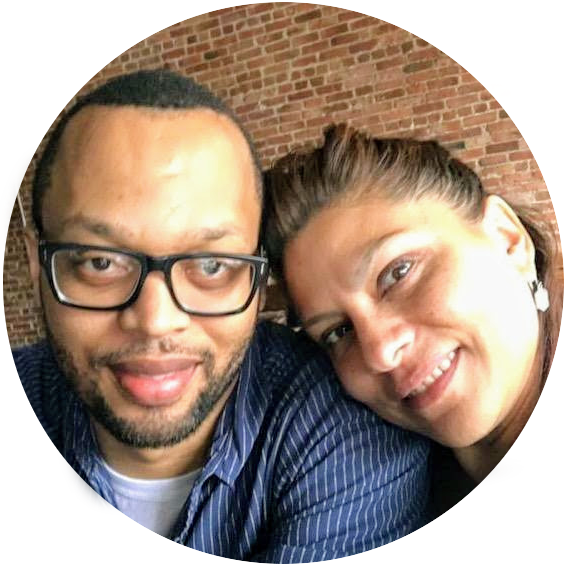
We are Teresa and Andre, a couple sharing the good, the hard, and the honest parts of building a life and raising a family together. Through Been There Two, we write with the hope that our story gives others encouragement and a reminder that they are not alone.